-black.png)
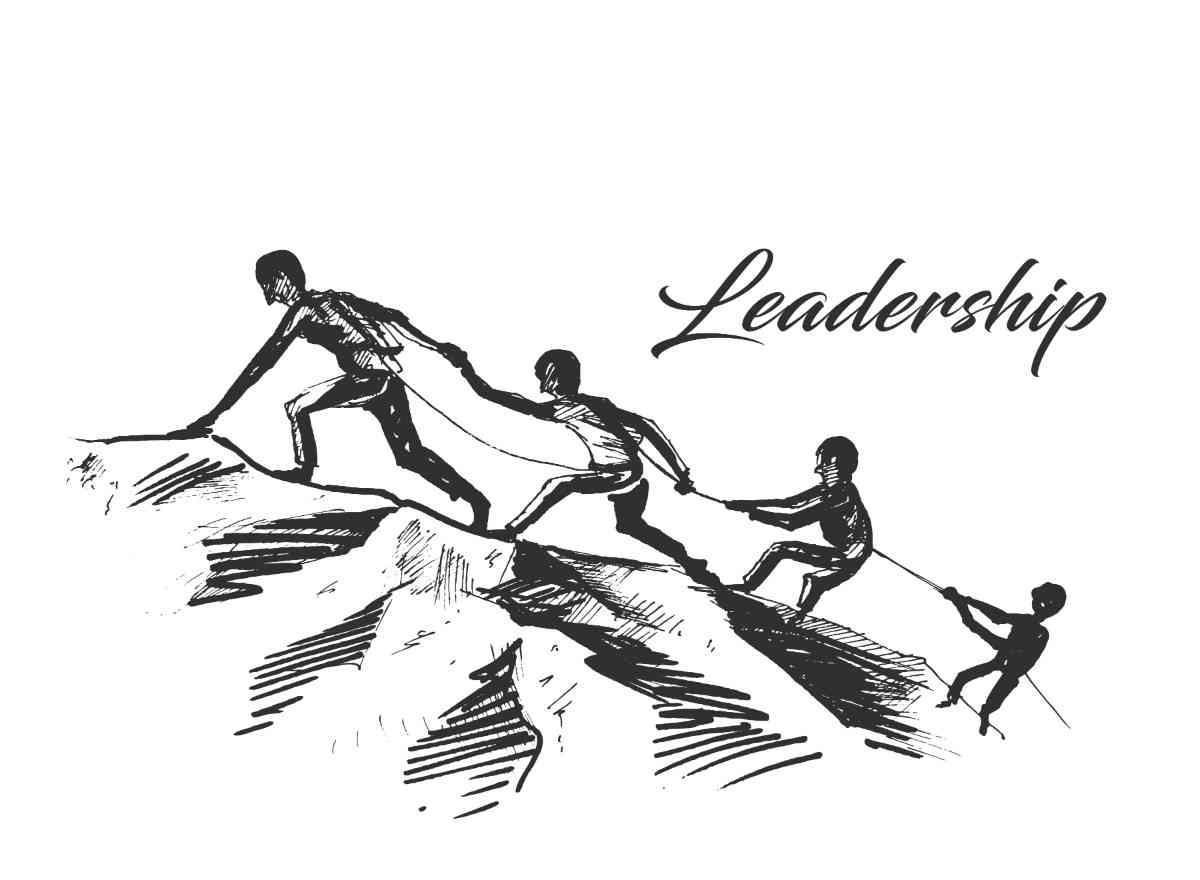
Being a CEO is no longer just about making decisions from the top in today's fast-changing business world. Today's CEOs know that the performance and success of their company is determined by the strength, motivation and job satisfaction of their people. Creating high-performing teams is now a core competency for leaders who wish to remain competitive. But how do they do it? Let's dispense with the complication.
Leading by Example
The first top-down transformation of leadership is to lead by example. Leaders with integrity, sincerity and dedication motivate high-performing teams. When CEOs embody the values they ask of their employees (accountability, integrity, creativity), it inspires all to do the same. Put simply: People watch what leaders do, more than they listen to what they say.
For instance, if a CEO prizes invention, they engage in brainstorming, promote new ideas and encourage creative thinking. This creates a culture in which the team isn't afraid to take risks and try new things.
Clear Vision and Goals
Today's chief executives recognize that troops do better when they grasp the man behind the curtain. A clear vision and tangible goals keep employees focused on their purpose. That work means something to people.
CEOs help focus their teams on priorities and measure their success by setting clear, attainable goals. And when all members of the team understand where the company is going, and what their part in that plan looks like, motivation and productivity are inevitable byproducts.
Open Communication
Good communication has always been the hallmark of a great team. Today's CEOs want team members to express their ideas, concerns and input without fear. This builds trust, minimizes miscommunications and helps solve issues on the spot.
Many chief executives rely on regular team meetings, one-on-one check-ins and digital communication tools to keep the conversation going. What is important is to listen actively—that demonstrates that leaders value ideas and employees in general.
Investing in Employee Growth
When employees are always learning and growing, this is how high-performing teams are created. CEOs now focus on training, mentoring and skills. This not only contributes to performance, but it also suggests a company values employees' futures.
When employees see ways to grow, they become more engaged and invested. Leadership transformation is all about changing from a "boss" mentality to a 'coach' mindset – guiding, supporting and uplifting your employees to their highest potential.
Recognizing and Rewarding Efforts
Everyone wants to feel appreciated. The CEOs of successful companies know the value of accolades and appreciation. When employees are recognized and rewarded, they're far more likely to continue performing at their best.
This might take the form of a public shoutout, a bonus or an opportunity for promotion. Recognition inspires loyalty, motivates team members and fosters a strong culture for the team.
Building a Culture of Collaboration
And lastly, the new CEOs believe in building a collaborative workplace. Great teams are not about high-flying individuals; they're about how well a person can leverage others. Leaders facilitate teamwork by promoting cooperation, distributing tasks and addressing conflicts positively.
When teams work well together, ideas come easily, and innovation comes naturally.
Wrapping up
Transformational leadership is less about going through versus going beyond. High-performing teams are not built by happenstance, but instead by following a great example and communication as well as doing the "right thing" in terms of our employees – helping to develop talent where we find it, rewarding hard work and fostering an environment of partnership with like-minded teammates who put the company first.
Strong teams, after all, make for strong companies. Leaders who prioritize people over profits create environments where employees excel, inventiveness thrives, and long-term success can happen.