-black.png)
Healthcare is changing rapidly, and technology is largely to thank. Today, HealthTech companies are pioneering the way to smart devices and AI-generated diagnostics that will make healthcare more convenient, faster and accurate for all. From wearables to smart software, these innovations are changing the way doctors work with – and patients take responsibility for –their health.
Smart Devices: The Future of Healthcare in Your Hand
The use of smart devices has become indispensable in present-day health care. Those include wearables such as smartwatches, fitness trackers and even smart medical devices that can monitor your health in real time. The devices are capable of monitoring heart rate, blood pressure, blood sugar, sleeping patterns and physical activity.
A smartwatch can, for instance, notify you if your heart rate is excessively high or low, preventing serious issues before they occur. Intelligent glucose monitors enable people with diabetes to constantly monitor blood sugar levels without having to prick their fingers. Even inhalers for asthma patients that remind people to take their medication and track use have been developed.
These kinds of devices also give people greater control over their health and minimize unnecessary hospital visits. In recent years, HealthTech startups have made these gadgets cheaper and more accurate as well as easier to use.
AI Diagnostics: Get to The Doctor Even Faster And Smarter
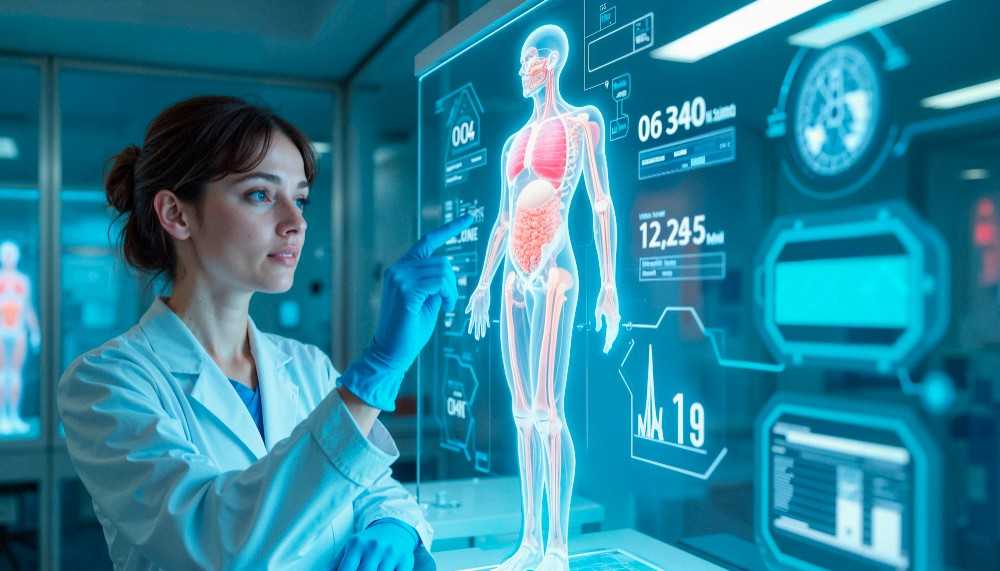
Another game-changer is Artificial Intelligence (AI) in healthcare. AI can rapidly analyze vast amounts of medical information and spot patterns that humans might miss, enabling doctors to diagnose diseases faster and more accurately.
For instance, AI can be manually trained to read X-rays, MRIs and CT scans to identify conditions, including tumour breaks or lung diseases. AI can also be used to predict an individual's risk of developing a disease like diabetes or heart problems from their health history and lifestyle. That makes it possible for doctors to take protective action before patients become seriously ill.
Some startups are even employing AI to tailor treatments. AI can sift through a patient's genetic information and health records to recommend the most useful medicine or therapy for that person. This minimizes trial-and-error therapies and leads to higher rates of recovery.
Making a Difference Through Startups
HealthTech startups are small companies that are nimble enough to play fast and loose with new concepts. Unlike conventional hospitals, they are all about innovation and convenience. Many startups are developing apps to help patients find doctors online, for telemedicine consultations and remote monitoring. It is particularly helpful for those living in rural areas, or during times of emergency when it may not be possible to visit a hospital.
Startups are also addressing affordability. Smartphones and AI diagnostics, once a luxury, are getting cheaper and more prevalent among middle-class families. That is more and better health care for more people, not just those who can afford premium services.
The Future of Healthcare
Integrated smart devices and AI diagnostics are creating a preventive, personalised and patient-friendly healthcare system. People can monitor their health one day at a time, doctors can accurately diagnose, and treatment can be tailored to each patient.
In the not-too-distant future, more intelligent health devices that monitor our health for ailments before we experience symptoms and AI systems that serve as virtual health assistants will become the norm. This might result in fewer visits to the hospital, cost savings not just for the individual patient but also for society and healthier lives for all.
Wrapping up
HealthTech startups demonstrate that technology and health care are a match made in heaven. Smart gadgets allow people to manage their own health, and AI diagnostics assist doctors in ushering in faster and smarter care. With each other, they are redefining how humanity can access care that is more efficient and personalized. Health care for the future will not simply treat illness — it will prevent it and keep people healthier every day