-black.png)
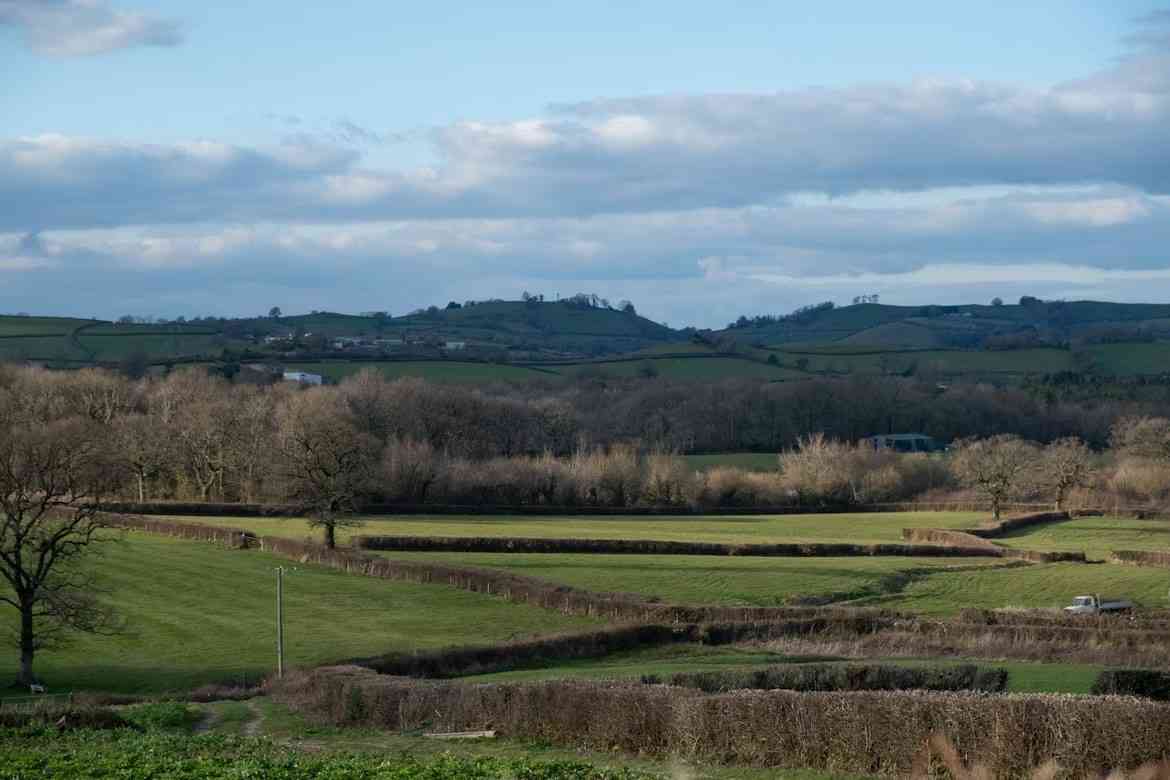
Rural areas offer a fresh path for people looking to move to the United States through investment. These regions were once overlooked, but new laws have made them much more attractive.
Investors now look for specific signs that a project will succeed and help them reach their goals. Understanding the business and technology factors in these spots is the first step toward a successful journey.
Rural Designations And Geographic Eligibility
Finding the right location is the most important part of the start. A project must sit in a place that the government officially calls rural. One state economic department explains that a rural area is any spot outside a metropolitan statistical area or a town with 20,000 or more people.
The geography affects more than just the view from the window. It determines which set of rules the project must follow and how fast the paperwork might move. Smaller towns often have different economic needs than big hubs.
Economic Benefits Of The Rural Category
Choosing a project in a quiet area might feel like a big risk at first. Navigating the due diligence process for EB-5 investors requires a deep look at the paperwork and the market. Many people find that these spots offer more stability than crowded cities.
The lower cost of land and labor in these areas can help a business budget go much further. A strong project will show clear evidence of financial planning.
It should have enough money to finish construction without relying solely on new investors. Look for projects that have already secured bank loans or have significant owner equity.
Visa Reserves And Priority Processing
The government created special lanes for people who choose to put their money into smaller communities. A report from a federal agency notes that 20% of the annual visa limit is held strictly for rural investments.
Having a reserved space can cut years off the time it takes to get a green card. It is a major advantage for families who want to move sooner rather than later.
Wait times can be a huge hurdle in the immigration world. The monthly bulletin from the state department confirms that 20% of the worldwide level of these visas is set aside for rural applicants.
Since the demand for visas often exceeds the supply, being in a reserved category provides a much smoother experience. It is a strategic move for anyone worried about long backlogs.
Job Creation And Indirect Employment
Every investor must prove that their money helped create at least 10 full-time jobs. This is the main goal of the entire program from the perspective of the government.
A policy manual from the immigration service states that regional center investors can count indirect jobs for up to 90% of this requirement.
Counting indirect jobs is helpful for large projects like hotels or factories. These builds create a lot of work for local suppliers and service providers. The math used to track these jobs is complex, so having a professional economist on the team is smart.
When a project can show that it will easily meet the job count, the risk for the investor goes down. Here are some common ways these projects create work:
=> Hiring local construction crews for the building phase.
=> Buying materials from nearby hardware and timber suppliers.
=> Creating long-term roles for managers and staff once the doors open.
=> Supporting local transport and delivery services during operations.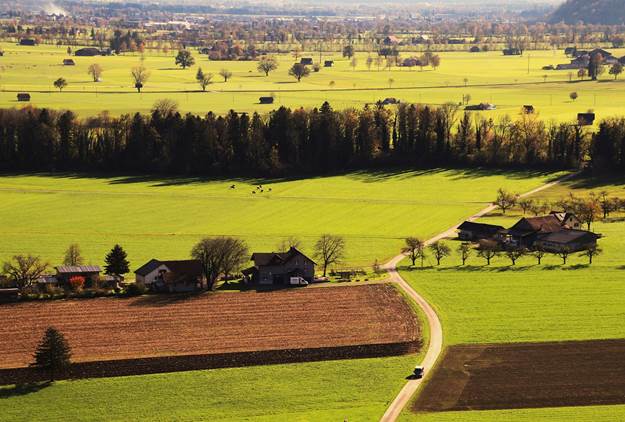
The Role Of Technology In Rural Growth
Modern technology is changing how businesses operate in remote areas. Even a project far from a city can use high-speed internet and advanced tools to reach global customers. A proposed rule in the Federal Register mentions a new technology fee for certain immigration filings.
Green technology is becoming a big part of rural development. A 2024 report highlighted that over 1 million households have used climate-resilient technologies to get better results. Projects that use these tools are often more efficient and have lower utility costs.
Business Models And Market Stability
A project needs a business model that makes sense for its specific location. It should not just copy what works in New York or Los Angeles.
An international group recently changed its business model to stay more focused on its core mission. Investors should look for projects that have a clear plan for how they will make money and stay in business.
Using global data to judge a market is a helpful step. One index tracks the time and cost for an entrepreneur to start and run a commercial business.
Knowing how easy it is to do business in a certain place helps you judge the risk. A project in a state with low fees and fast permits has a big head start. Consider these factors when looking at the business plan:
=> Does the project have a unique advantage in the local area?
=> Is there a real demand for the service or product being offered?
=> How long will it take for the business to start turning a profit?
=>What is the plan if the local economy slows down?
Regulatory Compliance And Clean Energy
The rules for these investments can be tricky and change often. An industry group points out that every case is subject to policy requirements that might shift. Following every rule is the only way to make sure the green card is approved in the end.
Clean energy projects are a growing trend in rural areas. A state program offers grants and loans for people building alternative energy systems. These projects are great for the EB-5 program since they create many jobs and have strong government backing.
They often use large pieces of land that are only available in rural spots. Investing in the future of energy is a smart way to link a residency goal with a profitable industry.
Investing in a rural project is a big step that requires a lot of thought. The rewards are clear, but you must look for the right signs before you start. Focus on projects with strong job numbers and modern technology. Pay attention to how the business plans to survive in its local market.