-black.png)
Pixel count has become one of the most valuable commodities in healthcare.
Between advancing automation, AI diagnosis, and ultra high-resolution imaging... modern clinicians are better equipped than ever to battle disease and develop personalized treatment plans. But there's nowhere to go but up.
Blurry scans cause missed diagnoses. Sharp ones save lives.
Let's take a closer look.
1. Why Image Quality Is Changing The Game In Healthcare
2. What Is Automated Optical Inspection In Medical Imaging?
3. The Essential Imaging Modalities To Know
4. How AI Is Improving Image Resolution
5. What's Next For High-Resolution Imaging
Why Image Quality Is Changing The Game In Healthcare
The entire diagnostic process begins with an image.
Whether we're talking about MRIs, CT scans, ultrasounds, or X-rays -- the clarity and precision of that original image dictates whether a physician notices an abnormality, catches a disease in time to treat it, or moves on to the next patient entirely.
Needless to say, quality matters.
As the healthcare industry places more and more emphasis on capturing detailed visual data from patients, the global market for medical imaging has responded in kind. New market data predicts the industry will grow from USD 43.9 billion in 2024 to USD 75.8 billion by 2034. All that growth guarantees one thing: imaging quality will continue to skyrocket.
More pixels = More possibilities.
What Is Automated Optical Inspection In Medical Imaging?
Imagine this:
You've got a powerful piece of imaging hardware. It's lightning fast, uses AI software to help clarify every scan, and produces detailed pictures clinicians can use to make accurate clinical decisions. Fantastic.
But what if that same machine was capable of auditing and analyzing its own performance?
That's exactly what automated optical inspection (AOI) is doing for modern imaging equipment.
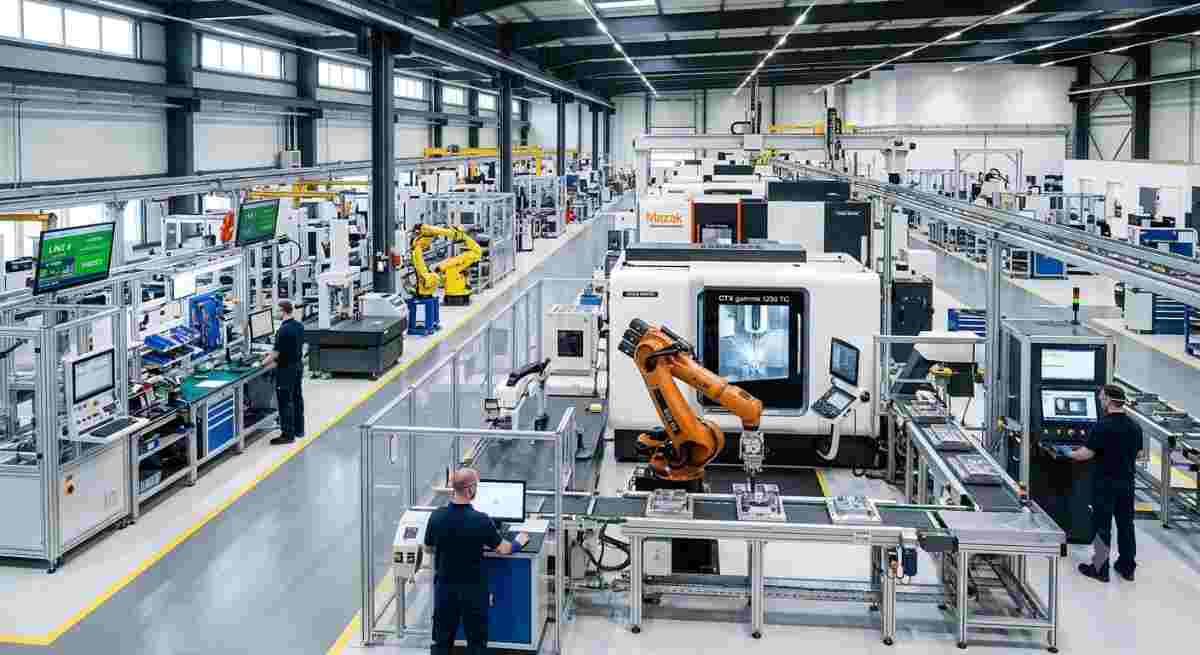
Built with specialized hardware -- including high-resolution cameras, light sources, software analytics -- AOI automates the process of "scanning" physical objects for microscopic defects. Whereas optical inspection used to require trained personnel to verify components with a critical eye, automated systems can identify deviations faster and more accurately than any human technician.
VISIONx, Inc. is one example of a medical technology company applying automated optical inspection to modern imaging. Their hardware is designed to adapt -- no matter the clinical environment or use case. By deploying patented hardware and software across verticals, VISIONx helps companies better understand their operational efficiency... and ensure imaging tools are always at peak performance.
So how does that impact medical professionals?
When you're talking about life or death diagnostics, there's zero room for compromised image quality. Automated optical inspection systems make sure every scan is taken with optimal calibration and precision. It's an extra layer of assurance for growing companies that need peace of mind.
The Essential Imaging Modalities To Know
Alright, so we know great imaging starts with great resolution. But where are clinicians getting that imaging from?
Here's the primer on modern modalities:
-> MRI - Outstanding soft tissue clarity. New systems on the market feature up to 7T field strength, a substantial leap forward in terms of signal-to-noise ratio.
-> CT - Thanks to booming adoption of multi-slice CT, computed tomography is one of the fastest growing imaging modalities on the market at a 5.96% CAGR through 2034. Lung and cardiac screening protocols continue to drive demand.
-> Ultrasound - Everything from cardiology to OB/GYN can benefit from portable, immediate ultrasounds. Many AI tools now focus on improving ultrasound accuracy at the point of care.
-> OCT (Optical Coherence Tomography) - Ophthalmologists love OCT scans because they serve as microvisualization tools for eyes. The scan produces high-resolution, cross-sectional views of the retina unavailable from any other modality.
-> X-Ray - The simplest and most common modality of them all. Newer reconstruction algorithms allow physicians to maintain exceptional image quality while lowering total radiation dose.
All of these modalities share one important thing in common -- they can't perform without high resolution imaging.
How AI Is Improving Image Resolution
Artificial intelligence is the unsung hero of medical imaging.
While automation and high-quality hardware do most of the heavy lifting, machine learning algorithms are constantly working in the background to improve the overall image quality. Here's how:
-> Noise reduction: AI processes can identify and diminish background noise that would otherwise obscure a diagnostic image.
-> Abnormality detection: Machine learning makes it easier to spot unexpected configurations and flag them for human specialists.
-> Anomaly detection: AI algorithms can identify known disease signatures within imaging data -- sometimes before specialists do.
With the FDA having cleared more than 500 AI-enabled devices as of 2024, many of which are used for analyzing medical images, it's safe to say machine learning is having a major impact on resolution.
Hybrid Imaging: Combining Modalities For Improved Resolution
Another way doctors are increasing resolution is by combining two distinct imaging types into one hybrid modality.
Take PET/MRI for example. By concurrently capturing detailed structural images from MRI tech and sugar-tracking data from positron emissions, clinicians can more easily visualize neurological disorders at the cellular level. This combo has proven especially powerful for Alzheimer's, epilepsy, and brain tumors.
The same theory applies to OCT and ultrasound. While ultrasonography is great for larger anatomical structures, its rays often fail to penetrate deeper tiers of tissue. Feed OCT images into the same system and suddenly you've got yourself a high-resolution snapshot of both shallow and deep tissue -- all collected at the same time.
It all comes back to resolution.
High Resolution Means Better Care
When it comes to diagnosing disease and developing treatment plans, clinicians cannot afford blurry images.
Every piece of hardware, from MRI scanners to X-ray detectors, is fueled by precision. Sure, technology has come a long way for the simple reason that it can always go further. But we're not nearly done yet.
Higher resolution means better diagnostics.
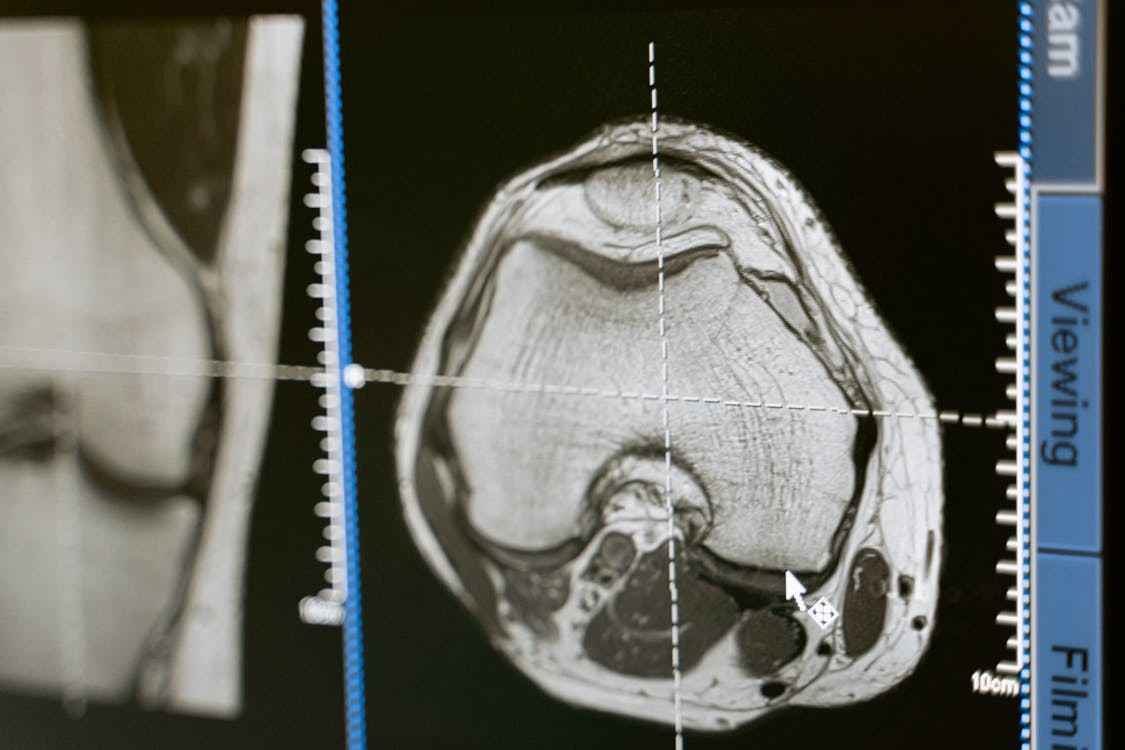
First impressions matter. Even if those impressions are of the inner knee.
In medical imaging, quality starts at the pixel level. There's no hiding if your scan isn't taken at maximum resolution. Which is why techniques like automated optical inspection exist.
For medical professionals, high-quality imaging means clearer pictures. For patients, it can mean another day in the sun.
Here's what you need to remember:
-> Better image quality = Better care
-> Automated optical inspection automates the quality control process
-> High resolution imaging plays a role in every modern diagnostic modality
-> Artificial intelligence continues to improve visualization techniques
-> Hybrid systems are helping clinicians visualize more data at once
The race for resolution is well underway. As technological capabilities continue to expand, imaging hardware will become clearer, faster, and smarter with each passing year.
For doctors and patients alike, that's a win