-black.png)
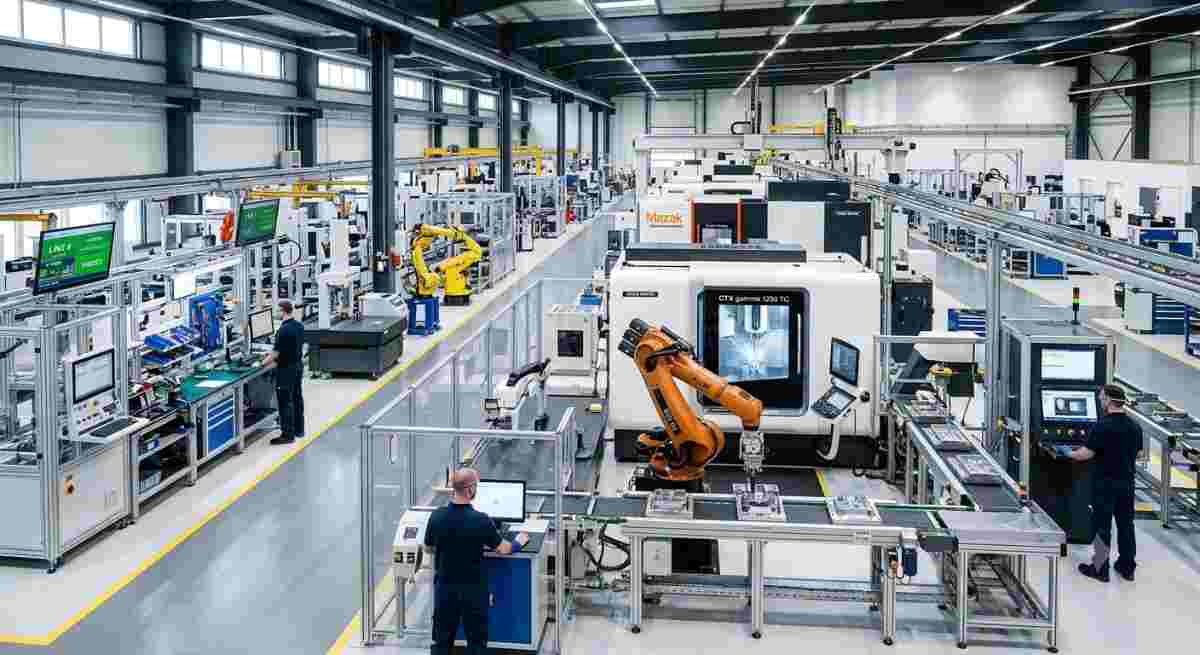
Manufacturers face a familiar squeeze: material prices fluctuate, skilled labor is expensive, and equipment demands investment even when orders slow. Cutting expenses might seem as simple as purchasing cheaper components or reducing inspections. However, these shortcuts can increase defects, customer complaints, and production delays, turning short-term savings into larger expenses.
A more sustainable approach is to identify where money is lost throughout the production process. By improving operational efficiency, maintaining equipment, reducing waste, and making smarter purchasing decisions, manufacturing businesses can control costs while consistently meeting quality standards.
Identify the Biggest Cost Drivers in Your Manufacturing Operations
Before implementing manufacturing cost reduction strategies, businesses need to understand where their production expenses originate.
Manufacturing costs include direct materials and labor, along with equipment ownership, tooling, energy, and other production overhead. Whether a cost is direct or indirect depends on how it can be traced to a particular product or job. Machine downtime, defective products, repeated production runs, and inefficient workflows can add further costs.
Start by reviewing production records to identify patterns. Calculate the cost per accepted unit, compare actual production cycle times against planned targets, and examine material waste rates.
For example, frequent overtime may indicate a bottleneck at one workstation rather than a staffing shortage across the entire facility. Similarly, unusually high material expenses might result from excessive scrap rather than rising supplier prices.
Understanding these underlying causes helps manufacturers target inefficiencies instead of making indiscriminate budget cuts that could compromise quality or production capacity.
Reduce Material Waste and Rework Without Lowering Standards
Material waste can gradually erode manufacturing profitability. Excessive offcuts, incorrect machine settings, damaged inventory, and defective components all contribute to unnecessary spending.
Reducing manufacturing waste begins with better material planning. Manufacturers can optimize cutting patterns, improve inventory tracking, and establish consistent procedures for handling raw materials.
For example, a sheet metal manufacturer might adjust cutting layouts to produce more usable components from each sheet. Better inventory management can also prevent overordering, material deterioration, and unnecessary storage expenses.
Accurate measurements are equally important. Calibrated measuring instruments, appropriate machine accuracy checks, properly maintained fixtures, and standardized setup procedures help prevent production and inspection errors. Set calibration intervals according to instrument use, operating conditions, and performance history.
Quality checks should occur early enough to catch problems before they affect an entire batch. If a machine produces multiple components with incorrect dimensions, the resulting scrap and rework can be expensive.
Preventing these errors at the beginning of production is generally more efficient than correcting them after manufacturing is complete.
Make Smarter Equipment and Tooling Investments
Purchasing the cheapest available equipment does not always lead to lower manufacturing costs.
A low-priced cutting tool that wears out quickly might require frequent replacement, longer machining cycles, and additional operator attention. Similarly, unreliable measuring equipment can create costly inspection errors and inconsistent production results.
Manufacturers should evaluate equipment using the total cost of ownership, which considers expenses throughout an asset's operating life.
These expenses include purchase price, installation, energy consumption, replacement parts, maintenance, calibration, operator training, and expected downtime costs. Compare them over a realistic service life, allowing for disposal costs and any residual value.
Production requirements also influence purchasing decisions. A machine suitable for occasional small-batch work might not be economical for continuous high-volume manufacturing.
Reliable cutting tools, precision measuring instruments, and appropriately specified industrial machinery can support consistent production while reducing avoidable interruptions. When comparing suppliers such as Penn Tool Co, purchasing teams should assess technical suitability, maintenance requirements, and long-term operating costs. Matching specifications to the intended materials, tolerances, and workload helps keep purchasing decisions focused on production needs.
Replacement decisions deserve similar attention. If an existing machine remains accurate, safe, and capable of meeting production demand, upgrading its tooling or fixtures may be more economical than purchasing new equipment.
However, when recurring breakdowns, excessive setup times, or limited production capacity create ongoing expenses, replacement may offer better long-term value.
Prevent Costly Machine Downtime Through Proactive Maintenance
Unexpected equipment failures can disrupt production schedules, increase labor expenses, and delay customer orders.
The financial impact extends beyond repair bills. Employees may be unable to complete scheduled work, production targets may be missed, and restarting equipment can require additional setup and inspection.
Preventive maintenance in manufacturing helps address potential problems before they develop into major failures.
Businesses should establish maintenance schedules based on manufacturer recommendations, operating hours, and actual equipment conditions.
Routine activities may include inspecting components, lubricating moving parts, checking coolant systems, and checking machine accuracy as specified by the manufacturer. Coordinate this work with measuring-instrument calibration and cutting-tool replacement schedules.
Operators can also perform documented daily inspections to identify unusual vibration, excessive heat, or changes in machine performance.
Maintenance records should track breakdown frequency, downtime duration, repair expenses, and recurring problems.
Reviewing these records helps production managers determine whether maintenance activities are improving equipment reliability and reducing avoidable operating costs.
Improve Production Efficiency While Maintaining Quality Control
Manufacturing operational efficiency is not simply about producing more units per hour. The objective is to produce acceptable products consistently while minimizing unnecessary labor, delays, and resource consumption.
Start by examining each stage of the manufacturing process, including material handling, machine setup, production, inspection, and packaging.
Identify bottlenecks, duplicated activities, excessive movement, and tasks that create little operational value.
Standardized operating procedures can improve consistency across employees and production shifts. Clear instructions also reduce mistakes when operators change responsibilities or new employees join the workforce.
Manufacturing quality control remains essential throughout these improvements.
First-piece inspections, in-process measurements, and final quality checks should reflect product specifications and the risks associated with potential defects.
Employee training helps operators recognize problems early and understand when corrective action is necessary.
One useful performance measure is first-pass yield, which tracks the percentage of products that meet quality requirements without rework.
Improving first-pass yield reduces wasted materials, unnecessary labor, and production delays while helping manufacturers meet customer expectations.
Apply Lean Manufacturing Principles to Eliminate Unnecessary Expenses
Lean manufacturing focuses on eliminating activities that consume resources without adding value for customers.
Common forms of manufacturing waste include overproduction, excessive inventory, waiting time, unnecessary transportation, excess movement, overprocessing, and defects.
Many lean improvements require relatively little capital investment.
For example, organizing frequently used tools closer to workstations can reduce unnecessary movement. Improving material staging can minimize production interruptions, while better scheduling can prevent unfinished inventory from accumulating between departments.
Manufacturers can also examine whether repeated approvals, excessive paperwork, or unnecessary handling steps are slowing production.
Employee involvement is particularly valuable. Machine operators and production workers often recognize inefficiencies that are difficult to identify through management reports alone.
Encouraging suggestions and testing small process improvements can support continuous improvement.
Changes should be evaluated for their effects on productivity, safety, and product quality before becoming standard operating procedures.
Track the Right Metrics to Measure Manufacturing Cost Savings
Cost-reduction initiatives are only useful when businesses can measure their results.
Manufacturers should establish performance baselines before making operational changes and compare results over consistent reporting periods. Account for changes in product mix, production volume, and input prices so that apparent savings are not simply the result of easier jobs, larger batches, or cheaper materials.
Important metrics include cost per accepted unit, material scrap rate, first-pass yield, production cycle time, and machine downtime.
Overall equipment effectiveness (OEE) can provide additional insight into losses during planned production time by multiplying availability, performance, and quality. It measures how effectively scheduled production time is used, rather than how much of the total available time a machine is scheduled to run.
However, individual metrics should also be reviewed to understand what is driving changes in performance.
For example, lower production costs might initially appear positive, but rising defect rates or customer returns could offset those savings.
Production managers should therefore monitor customer complaints, product quality, and on-time delivery alongside financial indicators.
This balanced approach helps confirm that efficiency improvements deliver genuine savings rather than transferring expenses to another part of the business.
Distinguish reduced spending from released capacity. Saving operator hours may create room for additional work without immediately lowering payroll costs. Record implementation costs and any continuing expenses when calculating net savings.
Next Steps: Build a Practical Manufacturing Cost-Reduction Plan
Reducing manufacturing costs starts with identifying the largest avoidable expenses and selecting improvements that offer measurable value.
Begin with an operational cost audit, then prioritize opportunities based on potential savings, implementation expenses, production disruption, and quality risks.
Assign clear responsibilities and track results against established performance targets.
Better tooling decisions, preventive maintenance, material waste reduction, and consistent production procedures can work together to improve profitability.
The most sustainable manufacturing savings come from producing quality products with fewer avoidable losses, rather than simply spending less.