-black.png)
Branding visuals demand more than just “good-looking” images. The right AI image generator needs to deliver consistent style, accurate text rendering, high resolution, and workflow efficiency—especially for ads, logos, and marketing assets.
Here are five AI tools that stand out for branding in 2026, with each evaluated equally so you can pick based on real use cases.
1. Design.com - Best for AI Logo Creation and Business Branding
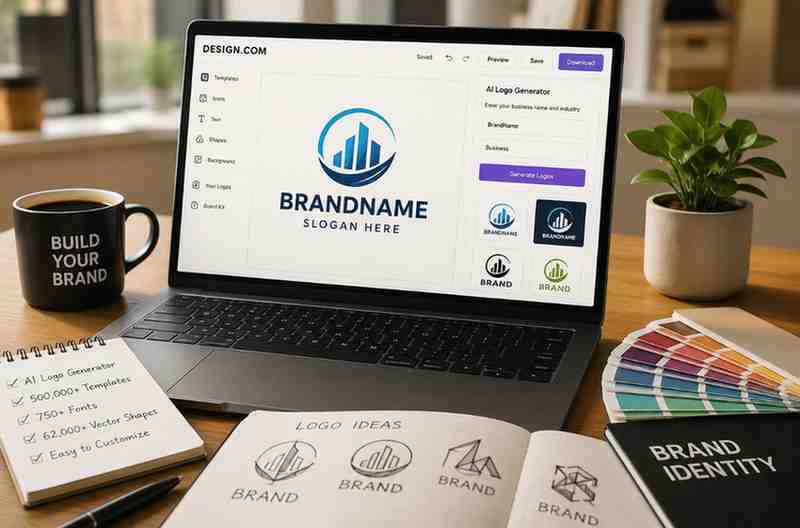
Design.com helps you create a professional logo in minutes. Simply enter your business name and industry, and the AI logo generator generates multiple logo concepts you can customize to match your style. With 500,000+ logo templates, 750+ fonts, 525+ exclusive fonts, and 62,000+ vector shapes, it's easy to create a logo that feels unique without needing any design experience.
The editor is simple to use, letting you quickly adjust colors, fonts, icons, and layouts until you're happy with the result. Whether you're launching a startup, side hustle, or small business, Design.com's AI logo generator makes the process fast, beginner-friendly, and flexible.
2. NanoBanana 2 — Best Overall for Branding Consistency
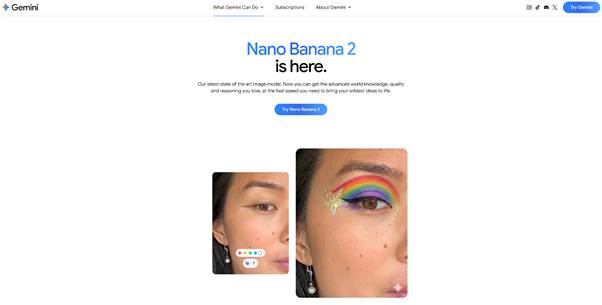
NanoBanana 2 is built with marketing and branding workflows in mind, making it one of the most reliable AI image generator tools for ads and logos.
Its biggest strength is consistency. You can use multiple reference images to maintain a unified brand identity across campaigns—something most tools struggle with. It also supports native 4K output, ensuring your visuals are sharp enough for everything from social ads to print materials.
Another standout feature is text accuracy. With high reliability in rendering typography, NanoBanana 2 reduces the need for manual fixes when creating logos, banners, or ad creatives. Combined with fast generation speeds, it’s ideal for teams producing high volumes of branded content.
If your priority is scalable, production-ready branding, NanoBanana is the strongest all-around choice.
3. Canva — Best for Easy Brand Design and Templates
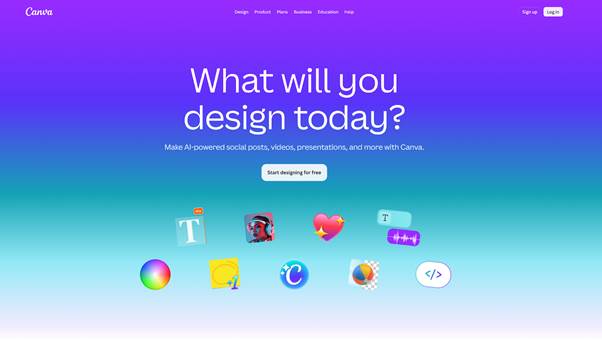
Canva remains one of the most accessible tools for branding, especially for non-designers.
Canva image generator is fully integrated into a drag-and-drop design platform, allowing you to instantly place generated visuals into presentations, ads, or social posts. This makes it extremely efficient for creating branded assets quickly without switching tools.
Canva also shines with templates. You can apply brand colors, fonts, and layouts across multiple designs in seconds, which is perfect for maintaining consistency in campaigns.
The trade-off is creative control. Compared to more advanced tools, prompt precision and customization are somewhat limited, especially on free plans.
For beginners or fast-moving marketing teams, Canva is one of the easiest ways to create cohesive branding visuals.
4. Pollo AI — Best Multi-Model Branding Flexibility
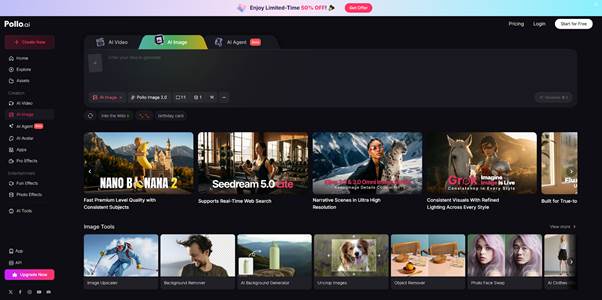
Pollo AI stands out by combining multiple AI models into one platform, giving you more creative flexibility for branding.
Instead of relying on a single engine, you can switch between different models depending on your needs—whether you’re designing a clean logo, a stylized ad, or a photorealistic campaign visual. This flexibility is particularly useful for brands experimenting with different visual identities.
Pollo AI also supports both image and video generation, allowing you to extend branding assets into motion content without leaving the platform. That’s a major advantage for modern marketing workflows.
While it may not specialize in one area as deeply as some competitors, its versatility makes it a strong choice for teams handling diverse branding needs.
5. Midjourney — Best for High-End Brand Aesthetics
Midjourney is still the benchmark for visually striking, artistic content.
It excels at creating premium-looking visuals with strong composition, lighting, and mood—ideal for brands that want a distinctive, high-end identity. Many creative teams use it for campaign visuals, editorial-style ads, and concept branding.
However, it’s less practical for structured branding tasks like logos or text-heavy designs. Text rendering can be inconsistent, and workflows are not as streamlined for batch production.
Midjourney works best when branding is driven by aesthetics rather than strict consistency or scalability.
6. Adobe Firefly — Best for Professional Brand Workflows
Adobe Firefly is designed for professionals who need tight control over branding assets.
Its biggest advantage is integration. Firefly works seamlessly with Photoshop and Illustrator, allowing you to generate and refine images within the same ecosystem. This makes it ideal for teams already using Adobe tools.
Another key benefit is commercial safety. Firefly is trained on licensed and public-domain data, which reduces legal risks when using images in ads or branded materials.
While it may not be the fastest or most flexible generator, it offers the reliability and precision needed for enterprise-level branding.
Final Thoughts: Choosing the Right AI Image Generator for Branding
Not all tools are built for branding, and picking the wrong one can lead to inconsistent visuals or extra editing work.
Choose NanoBanana for consistency, text accuracy, and scalable production
Choose Canva for simplicity and fast brand asset creation
Choose Pollo AI for flexibility across multiple styles and formats
Choose Midjourney for high-end, artistic branding visuals
Choose Adobe Firefly for professional workflows and commercial safety
The best AI image generator for branding isn’t just about image quality—it’s about how efficiently you can create, maintain, and scale a recognizable visual identity.