-black.png)

Home equity is one of the largest financial assets most American homeowners hold, and an equity loan provides a mechanism for converting that asset into usable capital at rates below most alternative borrowing options. These seven uses represent the ways homeowners are putting equity loans to work most effectively to improve their overall financial position.
1. Home Renovations That Add More Value Than They Cost
Renovation projects that add or improve living space, modernize kitchens and bathrooms, or address deferred maintenance that is reducing the home's value are the strongest financial case for equity borrowing. A renovation that costs $50,000 and adds $70,000 to the home's market value creates net equity rather than consuming it, which means the borrowing produces a positive financial return rather than simply funding an expense.
2. Eliminating High-Interest Credit Card Debt
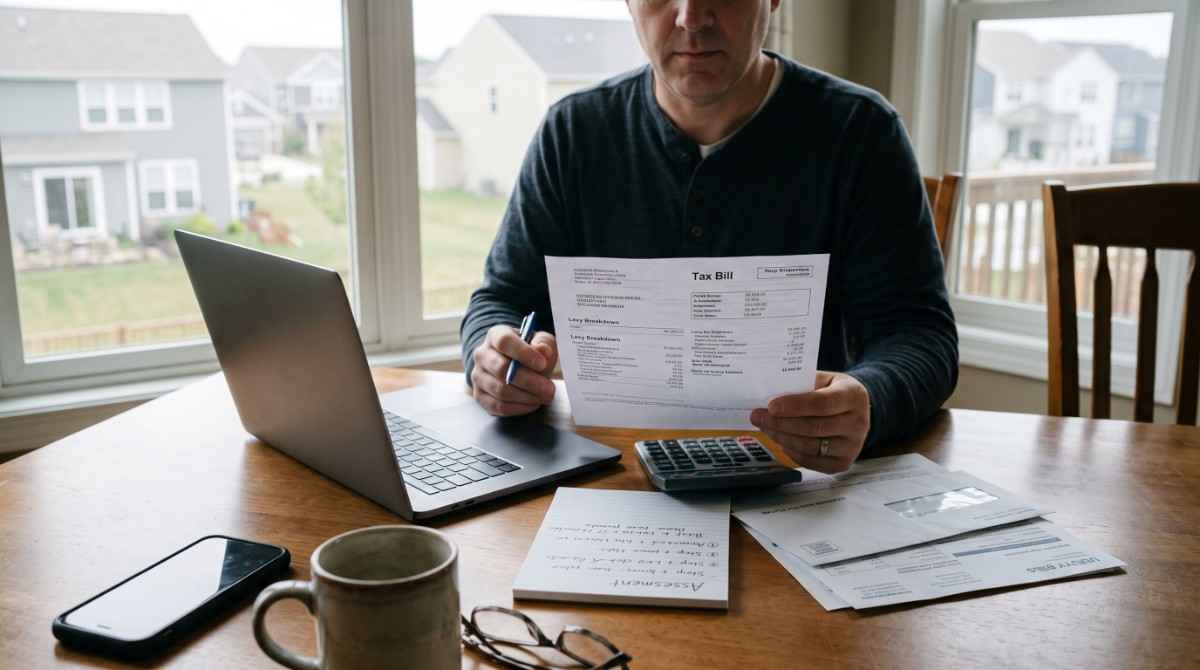
Replacing credit card balances at eighteen to twenty-four percent interest with home equity loan debt at seven to nine percent produces immediate interest savings that reduce the monthly debt service burden and accelerate payoff. The rate arbitrage is the financial case, but the risk tradeoff is real: unsecured credit card debt does not threaten the home in default, while secured equity loan debt does.
3. What Is the Best Home Equity Loan for These Purposes?
The best home equity loan for any of these uses combines a fixed rate meaningfully below the alternative financing rate, a loan term that produces a manageable monthly payment, and a lender whose process is straightforward and efficient. Achieve's equity loan products are designed for homeowners who want to put their equity to work at competitive fixed rates with a transparent process and no application fee.
4. Funding Education Expenses
Higher education costs that exceed what student loans or savings can cover are a use case where the rate advantage of an equity loan can produce meaningful savings compared to private student loans. The comparison requires weighing the lower rate of the equity loan against the repayment flexibility that federal student loans provide, which makes it most appropriate for private loan debt that lacks income-driven repayment options.
5. Covering Major Medical Expenses
Large out-of-pocket medical costs that insurance does not fully cover represent a financial shock that equity borrowing can absorb at lower rates than medical financing arrangements or credit card debt. For homeowners with significant medical bills and meaningful home equity, the rate advantage is real even though the risk of secured borrowing against the home is a factor worth considering carefully.
6. Emergency Home Repairs
Urgent structural or systems issues including roof replacement, HVAC failure, or foundation problems that require immediate attention and significant capital can be funded through an equity loan at better rates than contractor financing or emergency personal loans. The home improvement use case is also one where the interest may be tax deductible, which reduces the effective after-tax cost of the borrowing.
7. Bridge Financing for Real Estate Transactions
Homeowners who want to purchase a new home before selling their existing home sometimes use equity in the current home to fund the down payment on the new purchase. This provides the financial flexibility to make a competitive offer without a sale contingency, which can be the difference between winning and losing in a competitive market. The equity loan is repaid from the proceeds of the existing home sale.