-black.png)

We are in 2026 now, and Artificial Intelligence (AI) is no longer a "future technology." It's gone from "over there" to a practical business tool that CEOs across industries are utilizing daily. From reducing operational costs to generating new revenue streams, AI is empowering businesses to work smarter, faster, and more efficiently. The best part? You don't have to be a tech giant to find it helpful.
Here's what CEOs are doing with AI in 2026 to slash costs and boost sales — simplified.
Cutting Costs With Automation of Monotonous Tasks
Robotic process automation is one of the most significant ways AI helps businesses save money by automating repetitive work that humans don't need to do. Enter AI tools that can handle tasks such as data entry, invoice processing, payroll checks, and report generation.
Rather than employing armies of people to do the same work over and over, companies use AI to complete repetitive tasks more quickly and with fewer errors. This leaves employees free to focus on higher-value activities such as strategy, innovation, and customer relationship management. This is not only a labour cost saver but also increases overall productivity.
More Intelligent Decision-Making with AI Analytics
By 2026, CEOs will depend on AI-driven data analytics for better decision-making. AI can process massive quantities of data in minutes — the sort of task that would take humans weeks.
For instance, AI can enable leaders to make sense of:
-> What products are bestsellers
-> Where money is being wasted
-> In which markets is the most growth available?
With insightful intelligence, CEOs can steer clear of the pits and invest in areas where they can get a better return. Better choices mean better profits, plain and simple.
Personalized Marketing That Boosts Revenue
AI has completely changed marketing. Rather than broadcasting identical ads to all comers, AI allows businesses to tailor messages to individual customers.
Artificial intelligence tools are recording customer behaviour, preferences, and purchasing patterns. This means a business can get the right offer to the right person at the right time. Custom emails, ads, and recommendations drive more conversions and stronger customer loyalty, resulting in significant sales increases with less marketing spend.
AI-Powered Customer Support
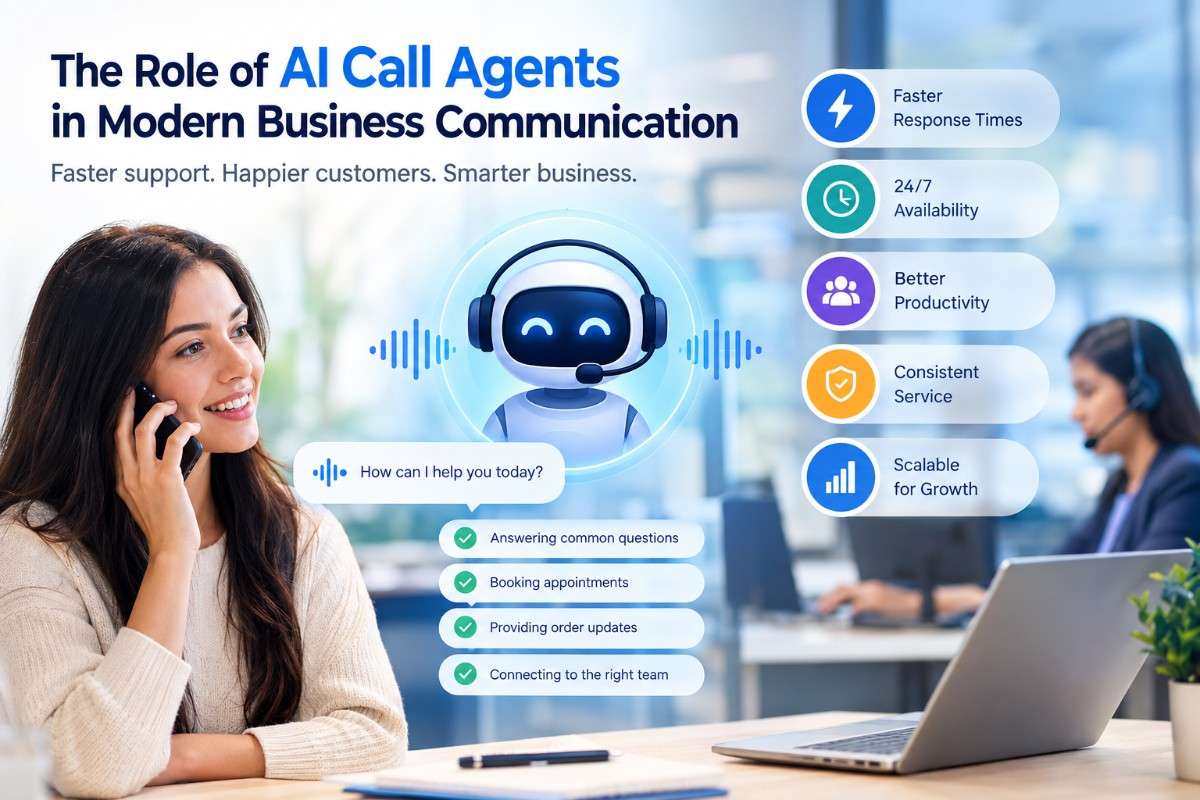
Today, many organizations rely on AI-driven chatbots and virtual assistants to field customer inquiries around the clock. These apps can be used to answer frequently asked questions, issue refunds, track orders and even upsell items.
This way, there is less reliance on massive customer support teams and happier customers. Satisfied customers are more likely to return, refer to a brand, and spend more, driving long-term revenue.
Optimizing Supply Chains and Inventory
AI helps CEOs save money by managing inventory and the supply chain more efficiently. With AI, tools can forecast demand and help prevent overstock or shortages.
AI, for instance, can predict how much product will be required during peak seasons, helping companies avoid excessive carrying and storage costs. That's because efficient supply chains mean less waste, better customer service, and higher profit margins.
Reducing Hiring and Training Costs
AI is also revolutionizing the way that companies recruit and train employees. AI tools screen résumés, shortlist candidates, and even conduct preliminary interviews. This streamlines hiring and reduces costs.
During training, AI-powered learning platforms customize content based on an employee's performance. This enables your staff to learn faster and work more effectively, increasing operational efficiency and reducing training costs.
AI Products: Generating New Revenue Streams
But forward-thinking CEOs are not just consuming AI internally—they are selling the equivalent of 'AI-powered' solutions. Companies are developing new products and services with the help of AI, from apps powered by sophisticated machine-learning algorithms to intelligent recommendation systems.
These and other radical innovations enable companies to get ahead of competitors and establish new income streams without significant infrastructure investments.
Final Thoughts
2026 AI is not optional—it's a competitive advantage. CEOs who employ AI strategically are cutting costs, increasing revenues, and even creating new businesses engineered for the future. The answer is not to replace people, but to empower them with innovative technology.
AI is only for market leaders today. Companies that adopt AI now are the leaders of tomorrow.