-black.png)
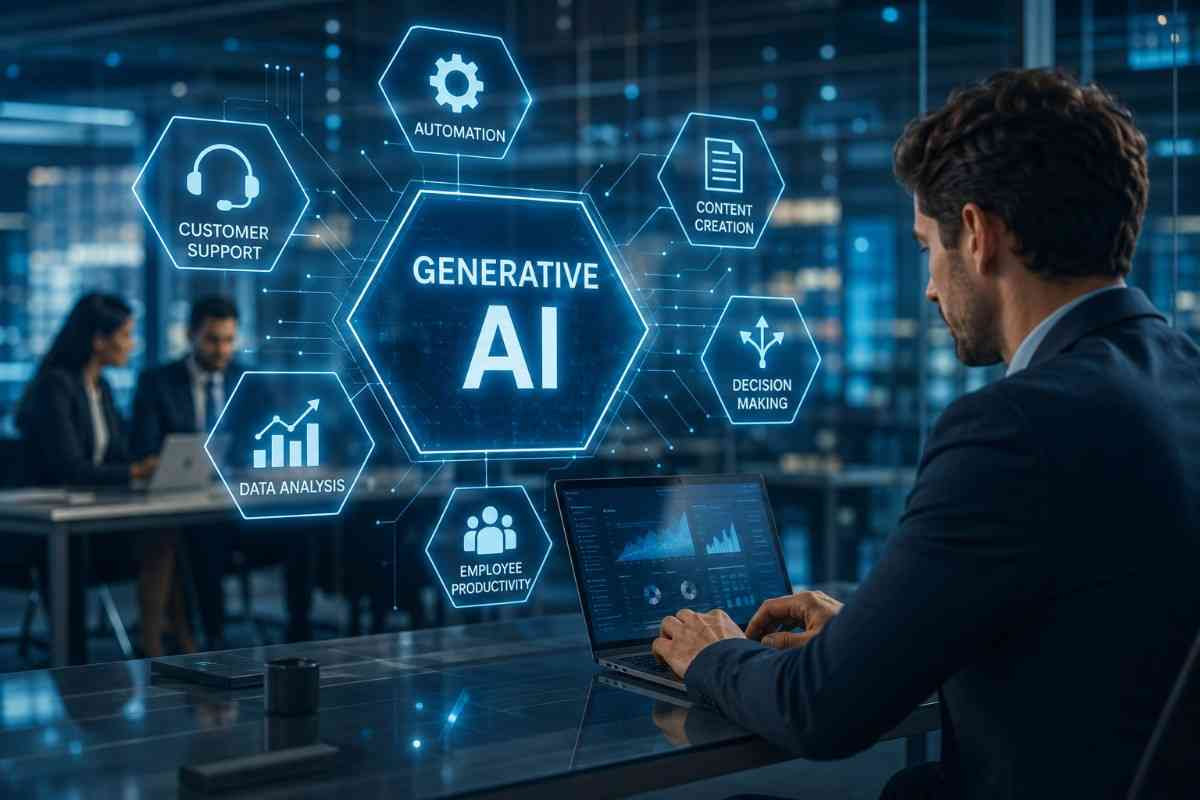
Generative AI is no longer just a futuristic concept—it's becoming a practical tool that helps businesses improve the way they work. From automating daily tasks to supporting smarter decision-making, Generative AI is transforming enterprise operations across industries. Companies are using it to save time, reduce costs, improve customer service, and increase employee productivity.
Here's how Generative AI is changing enterprise operations in an easy way.
Generative AI is a type of artificial intelligence that can create content such as text, images, code, reports, emails, and summaries. It learns from large amounts of data and generates human-like responses based on the information it has processed.
Unlike traditional automation tools that follow fixed rules, Generative AI can understand context, answer questions, and produce original content, making it much more flexible.
One of the biggest advantages of Generative AI is its ability to handle repetitive work.
Businesses spend countless hours on tasks like writing emails, preparing reports, creating meeting notes, and organizing documents. Generative AI can complete these tasks within seconds.
This allows employees to focus on more valuable work such as solving customer problems, developing new ideas, and planning business strategies.
Customer service has become faster and more efficient with Generative AI.
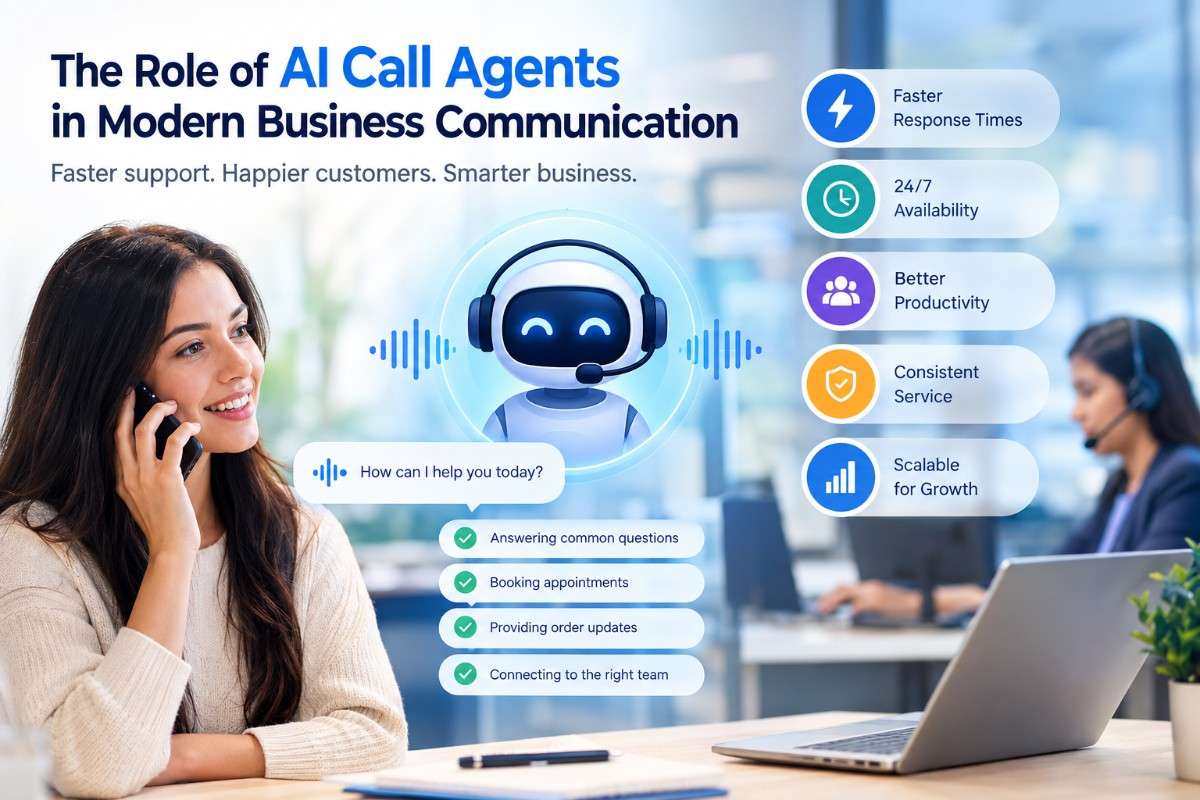
AI-powered chatbots can answer common questions, guide customers through simple processes, and provide support 24/7. When a customer has a more complex issue, the chatbot can transfer the conversation to a human representative.
This reduces waiting time while improving the overall customer experience.
Helping Employees Work Smarter
Generative AI acts like a smart assistant for employees.
It can help write presentations, summarize lengthy documents, generate ideas, draft business proposals, and even create training materials. Instead of spending hours searching for information, employees receive quick and relevant answers.
As a result, teams become more productive and can complete projects faster.
Businesses generate huge amounts of data every day. Analyzing this data manually can take a lot of time.
Generative AI can summarize reports, identify important trends, and provide easy-to-understand insights. Managers can use these insights to make informed decisions more quickly.
While AI supports decision-making, human expertise is still essential for evaluating business risks and final choices.
Marketing and communication teams are using Generative AI to create content more efficiently.
It helps generate:
=> Blog articles
=> Social media posts
=> Product descriptions
=> Email campaigns
=> Marketing ideas
Instead of starting from scratch, teams can use AI-generated drafts and refine them according to their brand voice. This speeds up content production without replacing human creativity.
HR departments are also benefiting from Generative AI.
AI can help write job descriptions, screen resumes, prepare interview questions, create employee training content, and answer common HR-related questions.
This reduces administrative work and allows HR professionals to spend more time on employee engagement and talent development.
Improving Software Development
Technology companies are using Generative AI to support software development.
AI can suggest code, detect programming errors, explain complex code, and generate documentation. Developers still review and test the final output, but AI helps reduce development time and improve efficiency.
By automating routine tasks and improving efficiency, Generative AI helps businesses lower operational costs.
Companies can complete work faster without increasing their workforce. Employees spend less time on manual activities, leading to better productivity and improved business performance.
However, successful implementation requires proper planning, employee training, and responsible use of AI.
While Generative AI offers many benefits, businesses should also be aware of its limitations.
Some important challenges include:
=> Protecting sensitive business data
=> Ensuring the accuracy of AI-generated information
=> Avoiding biased outputs
=> Maintaining compliance with industry regulations
=> Keeping human oversight in critical decisions
=> Organizations should use AI as a support tool rather than relying on it completely.
Generative AI is changing enterprise operations by making businesses faster, smarter, and more efficient. From automating routine tasks and improving customer service to helping employees create content and analyze data, AI is becoming an important part of modern workplaces.
The most successful organizations are not replacing people with AI—they are combining human skills with AI capabilities to achieve better results. As technology continues to evolve, businesses that adopt Generative AI responsibly will be better prepared to improve productivity, enhance customer experiences, and stay competitive in the future.