-black.png)
A chief executive can spend a week stress-testing a software supplier. The same person may then choose a safety device for a parent in an evening, from a search result and a coupon. The stakes are reversed, and the rigor is too.
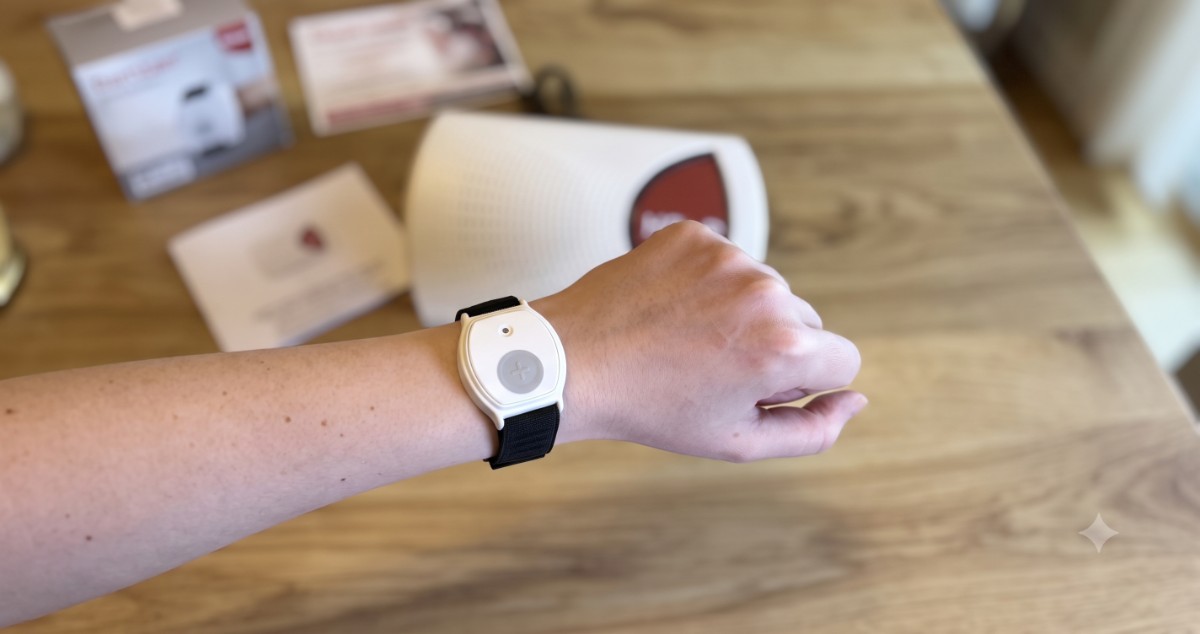
The fix is to run the family decision through the playbook you already use at work. One practical case study comes from Canada, where Life Assure medical alert bracelets combine a wearable help button with fall detection, GPS location and two-way voice. Life Assure is a Canadian company, and its monitoring service is available to customers in Canada only. American families are outside its service area. Use the company as a benchmark for what to ask your own local providers.
Why Should a Leader Treat This as Procurement?
Think of the service as a critical supplier with one end user. It sits between a fall and a response, often at 3 a.m. When it fails, nobody files a ticket.
Leaders who care for a parent are also carrying a real workload outside the office. The Rosalynn Carter Institute reports that 1 in 5 full-time employees provides care for someone who is aging, ill or disabled. It also finds that 60% of those caregivers experience work disruption. A vendor you can trust removes one source of that disruption.
What Certifications Actually Signal Trust?
Certifications are the closest thing this category has to an audit report. They show that an outside body has looked at the equipment, the monitoring center or both.
Life Assure lists three affiliations on its site. It is a long-time member of the Canadian Security Association (CANASA). It is recognized by the Central Station Alarm Association International. Its products carry certification from Underwriters Laboratories of Canada (ULC).
The second name needs context. The Central Station Alarm Association renamed itself The Monitoring Association in 2017, and it now develops American National Standards for professional monitoring. A US provider should be able to name its own equivalent bodies without hesitation.
When you review any provider's credentials, ask three questions:
-
=> Which body issued the credential, and does it cover devices, monitoring or both?
-
=> Is the monitoring center certified, or only the hardware?
-
=> Can the company show the listing on the certifying body's own site?
Who Answers the Button In the Middle of the Night?
Response is the real product here. A button is only as good as the person who picks up.
Life Assure routes calls to trained Medical Alert Specialists around the clock. The specialist speaks through the device, confirms what happened and uses GPS to direct local first responders. Separate Seniors Advocates handle sales questions and account support during business hours.
That split is worth copying as a test. Emergency response and customer service are different jobs. A company that staffs them separately is usually treating the emergency line as the core product.
Before you sign with any provider, request answers to these points:
-
1. Is the monitoring center staffed by the company or outsourced?
-
2. Who joins the call when the wearer cannot speak?
-
3. How are family contacts notified, and in what order?
-
4. What happens if the cellular signal drops during a call?
How Much Does Product Design Decide Adoption?
Leaders know a tool nobody uses is wasted money. Medical Alert Devices fail the same way. Hardware that never leaves its box has a protection rate of zero.
Adoption rises when the device looks ordinary and asks little of the wearer. The bracelet format matters here. A slim band feels closer to a watch than to medical equipment, so it is more likely to stay on.
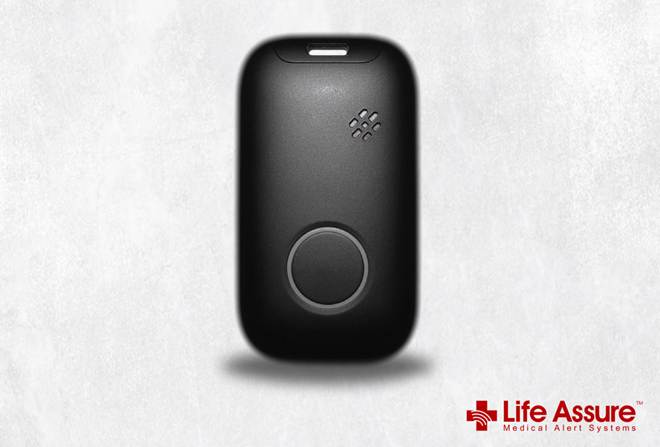
Life Assure also offers the same protection as a pendant and a belt clip. Choice of form factor is an adoption feature, not a cosmetic one. The parent picks the version they will actually wear, and the decision becomes theirs.
Look for these design signals in any provider's lineup:
-
=> Water resistance, because showers and wet tiles are where a slip is most likely.
-
=> Automatic fall detection for a wearer who may not be able to press a button.
-
=> A single, large button with no menus to learn.
-
=> Two-way voice in the device itself, so no phone has to be reached.
What Does a Guarantee Tell You About a Company?
A guarantee is a statement about churn. A company that offers one expects most customers to stay.
Life Assure advertises a 100% satisfaction guarantee on its service. For a buyer, that lowers the cost of a trial period.
Treat it as one data point among several. Read the terms, check how cancellations work and compare it with independent reviews. A guarantee that is hard to use is not a guarantee.
Public reviews complete the reference check. Life Assure points buyers to its ratings on Google, Trustpilot, Birdeye and the Better Business Bureau. Read the two-star reviews first, because they show how a company behaves when something goes wrong.
How Do You Run the Decision From Another City?
Many leaders manage a parent's care from a different time zone. The same discipline you bring to a remote team applies here.
Set a short review cadence. Check in after the first week, then after the first month. Ask the parent what is annoying about the device, not only whether it works.
Location data deserves the same respect you give customer data. Our profile of real-time location intelligence makes the point well: a single location reading carries a lot of context. Agree with your parent on who can see their location and when.
Finally, judge the provider on responsiveness, as you would any partner offering 24/7 support. Call the support line before you buy.
Frequently Asked Questions
Can US Families Use Life Assure?
No. Life Assure serves customers in Canada only. US families can use it as a reference model and ask local providers for the same certifications and response standards.
What Is the Most Important Question to Ask a Provider?
Ask who answers the emergency call and where they sit. A staffed, certified monitoring center is the core of the service, and the device is secondary.
Which Form Factor Should a Parent Choose?
No single format wins. The right one is the one the wearer will keep on every day, including in the shower.
When Should You Commit After Testing a Device?
A month is usually enough to learn whether the device stays on. Review comfort, false alarms and how quickly calls are answered before you commit.