Artificial intelligence is often discussed in terms of chatbots, automation and software applications. However, behind every AI model and intelligent application lies a much larger infrastructure ecosystem that requires enormous computing power, energy, storage and networking capacity. As AI adoption accelerates, this infrastructure is attracting investors who are beginning to view it as a distinct investment opportunity rather than simply another technology trend.
The growing demand for AI computing is changing how infrastructure is built, financed and valued. Data centres, GPU clusters, high-performance computing facilities, power systems and specialised networking equipment are becoming critical components of the modern digital economy. This shift is creating the possibility of AI infrastructure emerging as a new asset class.
The Infrastructure Behind the AI Boom
The rapid growth of AI has created an unprecedented need for computing resources. Training large language models requires thousands of advanced processors working simultaneously, while running AI applications at scale demands continuous access to reliable computing capacity. Traditional data centres, designed primarily for conventional cloud computing and enterprise workloads, are increasingly being adapted to meet these requirements.
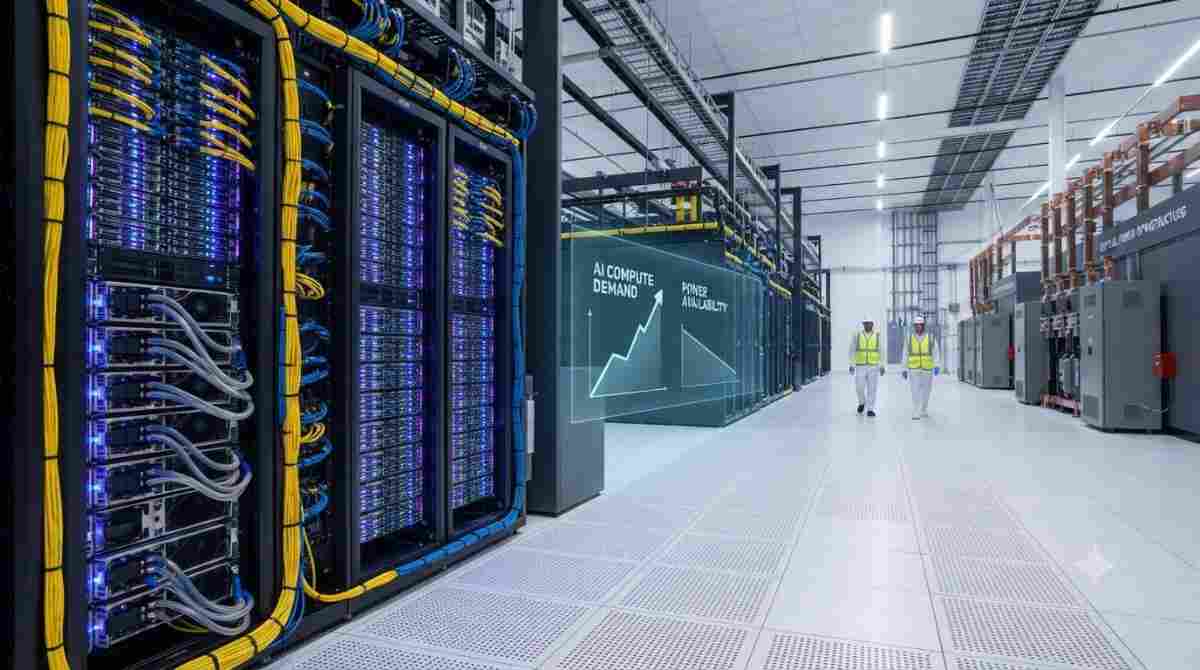
AI infrastructure is different from traditional digital infrastructure in several ways. It requires higher power density, advanced cooling systems, specialised chips and faster networking capabilities. These facilities are expensive to develop, but they can also generate long-term revenue through leasing arrangements, computing contracts and capacity agreements with technology companies.
For investors, this combination of substantial upfront capital investment and recurring revenue is particularly attractive. It resembles the economics of infrastructure assets such as telecommunications towers, energy facilities and industrial real estate.
Why Investors Are Paying Attention
One of the biggest reasons AI infrastructure is attracting capital is the growing gap between demand and available capacity. Technology companies are investing heavily in AI, but building the physical infrastructure needed to support this growth takes time. Securing land, electricity, equipment, permits and construction resources can take several years.
This creates an opportunity for infrastructure owners who can bring capacity online at the right time and in the right locations.
Institutional investors, private equity firms, pension funds and infrastructure funds are increasingly exploring opportunities in data centres and related assets. Rather than betting entirely on which AI company will dominate the market, investors can potentially participate in the broader ecosystem supporting AI adoption.
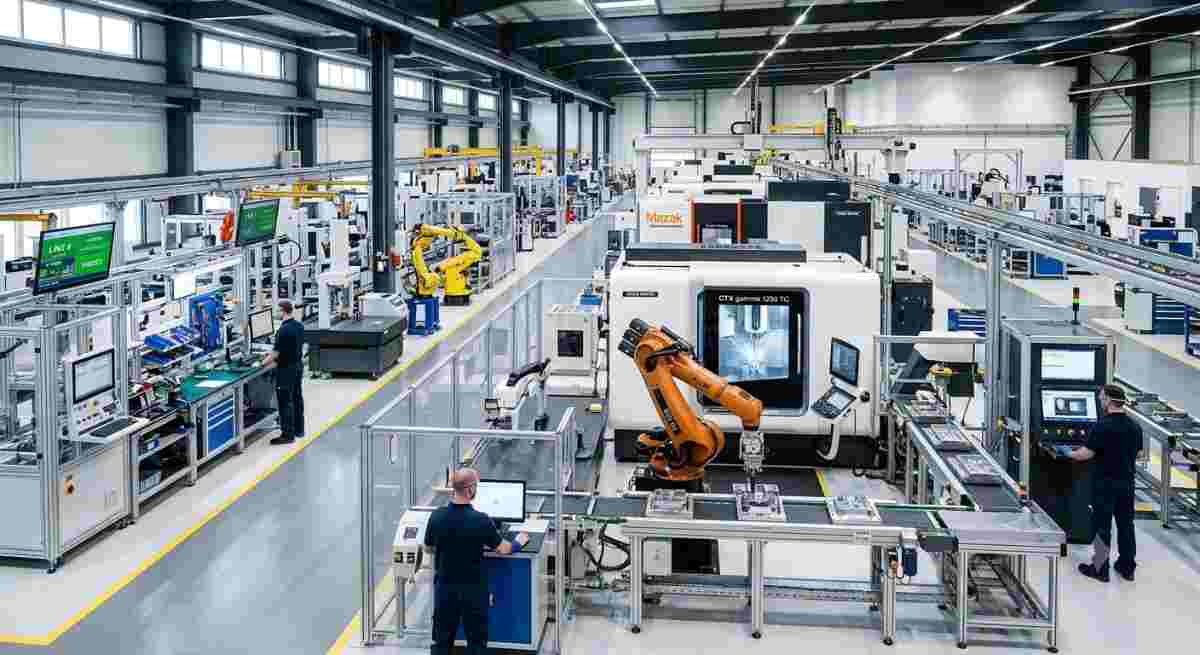
The investment opportunity extends beyond data centres. Power generation, transmission networks, cooling technology, fibre connectivity and semiconductor manufacturing are all becoming increasingly important. In many cases, access to electricity may become just as valuable as access to computing hardware.
A Different Investment Profile
AI infrastructure may offer characteristics that appeal to long-term investors. These assets often involve high initial capital expenditure, but once operational, they can support long-duration contracts and predictable cash flows. Demand for computing capacity may also continue growing as businesses integrate AI into everyday operations.
However, the investment model is not without risks. Technology evolves quickly, and today's advanced hardware could become less competitive over time. Data centres also face challenges related to energy costs, interest rates, equipment availability and environmental concerns.
Investors must carefully evaluate whether projected demand justifies the cost of building new infrastructure. The current enthusiasm surrounding AI could lead to overinvestment in certain markets, particularly if computing capacity expands faster than actual customer demand.
The Role of Energy and Physical Infrastructure
Energy is emerging as one of the most important factors in the AI infrastructure story. AI data centres consume substantial electricity, and their expansion is putting pressure on power grids in several markets. This is increasing interest in renewable energy, battery storage, nuclear power and alternative energy solutions.
The relationship between AI and energy infrastructure could create investment opportunities across multiple sectors. Companies capable of providing reliable, affordable electricity may benefit from rising demand, while data centre developers with access to power could gain a competitive advantage.
In this environment, infrastructure investment is no longer limited to buildings and equipment. It increasingly involves securing the entire ecosystem required to operate AI at scale.
Is AI Infrastructure a Long-Term Opportunity?
The long-term potential of AI infrastructure depends on whether AI adoption translates into sustainable demand for computing capacity. While the technology is still evolving, businesses are increasingly experimenting with AI applications across healthcare, finance, manufacturing, retail and logistics. As these applications become more integrated into business operations, the need for reliable infrastructure could continue to expand.
This makes AI infrastructure an interesting investment theme for investors looking beyond the immediate AI hype. It offers exposure to the physical foundations of technological transformation, rather than solely to software companies or AI model developers.
AI infrastructure is not automatically a low-risk investment, nor does every data centre represent a profitable opportunity. Valuations, financing costs, technological obsolescence and utilisation rates will remain important considerations.
Nevertheless, the scale of investment required to support artificial intelligence suggests that infrastructure could play a defining role in the next phase of the digital economy. As AI moves from experimentation to widespread commercial adoption, the assets powering this transformation may increasingly attract the attention of investors seeking long-term growth, recurring income and exposure to a rapidly evolving industry.
The AI revolution may ultimately be remembered not only for the intelligence of its software, but also for the enormous physical infrastructure built to make it possible.