-black.png)
Post-harvest losses are eating into agribusiness profits every single year.
Did you know that a significant percentage of every crop is lost before it ever reaches the market? Grain becomes damaged, contaminated, or discounted for one reason... moisture.
And here's the kicker:
Most of these losses are completely avoidable with the right grain drying setup.
Modern drying equipment delivers:
-> Less spoilage and mould growth
-> Higher quality grain at sale
-> Better long-term storage results
-> Stronger profit margins on every harvest
Let's break down exactly how this works.
Here's what's inside:
-> Why Post-Harvest Losses Are Such A Big Deal
-> How Moisture Causes The Most Damage
-> What Modern Grain Drying Equipment Actually Does
-> Choosing The Right Drying Setup For Your Business
Why Post-Harvest Losses Are Such A Big Deal
Post-harvest losses are one of the biggest hidden costs in agribusiness.
The FAO estimates that around one-third of food produced globally is lost or wasted annually — that's approximately 1.3 billion tons of food. And much of that loss occurs after harvest.
For cereal grains, the numbers get even worse.
Studies indicate that storage alone accounts for 55% of all post-harvest losses. By the time grain gets to market, over half of what could be lost... already was.
Why does this matter for an agribusiness?
After all, a tonne lost is a tonne not realized. And when margins are tight, losses like these mean the difference between a good year and a bad one.
That's where combinable cereals drying can help. When you invest in the right range of grain dryers for sale, you are protecting your crop when it's at its most at risk: immediately following combining. The quicker you can dry grain down to safe moisture levels, the less opportunity pests, mould and heat have to damage your crop.
Pretty important, right?
How Moisture Causes The Most Damage
Moisture is the silent killer of grain.
Freshly harvested cereals usually contain moisture content far higher than is safe for storage. Grain stored at high moisture conditions for even a brief period can quickly begin to develop problems.
Here's what high moisture content leads to:
-> Mould and fungal growth
-> Insect infestation
-> Heat build-up in storage
-> Quality downgrades at sale
-> Mycotoxin contamination
The thing is...
Ideally all cereal grains should reach safe storage moisture levels within 2-3 days of harvest. After that time frame, damage will begin to accumulate at a rapid rate. Mold and mycotoxin development cannot be reversed.
That's why drying equipment isn't really optional anymore — it's essential.
What Modern Grain Drying Equipment Actually Does
Modern grain drying equipment is light years ahead of older drying methods.
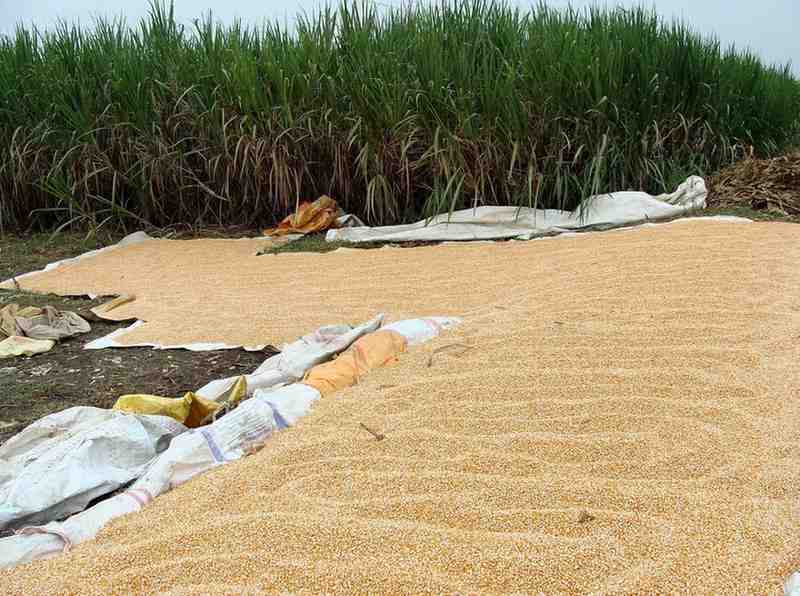
Farmers in the past sun dried or used inefficient batch dryers that took forever and gave inconsistent results. Today's equipment is quicker, more intelligent, and much more efficient.
Here's what modern dryers bring to the table:
-> Continuous flow drying that handles huge volumes
-> Precise moisture control and live monitoring
-> Energy-efficient heat exchangers
-> Automated systems that reduce labour costs
-> Gentle handling to protect grain quality
But the biggest win? Speed.
A contemporary dryer allows you to take wet grain right out of the combine and dry it down to safe storage levels in a fraction of the time. Less drying time means less risk, less spoilage and more saleable grain at premium prices.
Older drying methods... just can't compete.
Particularly when it comes to drying combinable cereals, this is huge. Wheat, barley, oats and oilseed rape all require slightly different drying regimes, and modern dryers can be programmed to take each one without harming the crop.
Continuous Flow Vs Batch Dryers
There are two main types of grain dryers used in commercial agribusinesses today.
Continuous flow dryers offer high capacity. Grain is fed into the top, dried while travelling through the dryer, and then unloaded at the bottom. Ideal for very large operations that handle huge amounts of harvest every year.
Batch dryers operate on a cycle basis. You run a batch, dry it and unload it. Batch dryers work great for smaller operations or grains that require special care.
Both can work -- it depends on the size/threshhold operation.
Choosing The Right Drying Setup For Your Business
Picking the right grain dryer is not a one-size-fits-all decision.
There are a few things to think about:
-> The volume of grain harvested each season
-> The types of crops being dried
-> Starting moisture content straight from the field
-> Available energy sources (LPG, oil, biomass)
-> Budget and expected return on investment
Take your time to get this figured out. Too small of a dryer will choke you at harvest. Too large of a dryer will consume more energy than needed.
Here's a great example of why this matters...
Research has demonstrated that implementing scientific drying and storage methods can lower grain losses from up to 50-60%, all the way down to 1-2%. That's a huge swing in profitability - and it's nearly 100% due to farm equipment.
The correct investment will return itself many fold in just a few seasons of harvest.
Don't Forget About Maintenance
A grain dryer is only as good as its upkeep.
Routine maintenance ensures that your machine operates properly and it prevents unexpected breakdowns in the middle of...well, whenever you don't want it to break down. Here are some items to monitor routinely:
-> Burner performance and fuel efficiency
-> Moisture sensors and control systems
-> Airflow and exhaust systems
-> Cleaning of dust and grain debris
With proper care, a dryer will last for years and years. Throw away a dryer that you haven't cared for and it'll die when you need it most.
Food waste costs agribusinesses billions annually. But it doesn't have to be that way.
Today's grain dryers allow growers to safeguard their crop, guarantee quality and enhance profits. Grain drying technology is one of the best investments you can make as a commercial grain operation.
To quickly recap:
-> Post-harvest losses are huge and mostly avoidable
-> Moisture is the number one threat to stored grain
-> Modern dryers handle volume, precision, and speed
-> The right setup depends on scale, crop type, and budget
-> Regular maintenance keeps things running for the long haul
Drying of combiners cereals is one of those areas where you reap what you sow many times over. Eliminate post harvest losses with the correct equipment.